
SDG 11: Sustainable Cities and Communities

SDG 11: Sustainable Cities and Communities
General overview
This chapter’s primary objective is to compile, organize, structure, and convey a wealth of information regarding UN Sustainable Development Goal #11 in a way that is easy for students to understand. Reviewing Goal 11’s objectives and indicators, as well as their needs, importance, and implementation status assessments for the years 2016–2024, received more emphasis. The chapter concludes with a quick overview that highlights the key findings and suggestions. During the work on the chapter, supporting educational material, reports of the UN Secretary-General, analytical materials of the Department of Economic and Social Affairs, and statistical information of international organizations were mainly used. To avoid any ambiguity, the texts given in the mentioned sources are presented with only minor changes, which eliminates the possibility of interpretation of the information and increases its reliability.
By reading this chapter, you will learn:
- What key targets and indicators does Goal #11 include;
- What progress has been made in achieving Goal 11 and what is the current status;
- What does Sustainable cities and communities mean;
- What is the state of sustainable development, urbanization, mega-policies and etc.;
- What are the main challenges we face in achieving the key results of Goal 11.
Key terms and definitions:
- Megalopolis – a very large city, defined by the UN as a city or urban agglomeration with a population of more than 10 million. There are currently 37 megalopolises in the world, such as Tokyo, New York, Paris, Berlin, and Bangkok. A megalopolis can be a single metropolitan area or two or more metropolitan areas that merge into one.
- Sustainable development – an approach to social, economic, and environmental planning that attempts to balance the social and economic needs of present and future human generations with the imperative of preserving, or preventing undue damage to, the natural environment.
- The rate of urbanization refers to the average annual percentage change in the urban population share. In simpler terms, it measures how quickly the proportion of a population living in urban areas is growing over time. It’s crucial to understand that this rate isn’t just about the raw increase in the number of city dwellers, but rather the pace at which the balance is shifting from rural to urban living. This metric provides invaluable insights into population dynamics, economic shifts, and the social transformations occurring globally.
- Urban development strategy refers to a comprehensive framework that guides the growth and transformation of urban areas. It encompasses a wide range of activities, policies, and plans aimed at improving the quality of life for residents while ensuring sustainable economic growth.
- Urban systems refer to the interconnected elements that make up a city or metropolitan area, including physical infrastructure, social networks, economic activities, and governance structures.
- Urban sprawl refers to the rapid expansion of cities and towns, often characterized by low-density residential housing and increased reliance on automobiles for transportation. It describes a pattern of development that stretches away from urban centers, typically resulting in poorly planned growth and a lack of efficient public transport options.
Introduction
The development of Goal 11, “Sustainable Cities and Communities,” was driven by the rapid pace of urbanization worldwide. Cities are considered the main centers of ideas, commerce, culture, science, and social development, enabling people to advance socially and economically.
It is estimated that by 2030, the number of city dwellers will reach 5 billion, and by 2050, 70% of the world’s population will live in cities, significantly increasing the role of cities in achieving the Sustainable Development Goals. Therefore, it is important to develop cities and overcome existing challenges such as overcrowding, infrastructure, environmental and air pollution, and transport.
Effective urban planning and management are essential to address the issues related to urbanization. Sustainable development cannot be achieved without a significant transformation in the way we build and manage our urban spaces.
It is worth noting that the private sector has a particularly important role to play in addressing contemporary challenges, working with governments, the non-governmental sector and other stakeholders. Companies can contribute to the sustainable development of cities by developing infrastructure, managing waste, developing technologies and basic services, and financing innovation. In addition, companies can participate in the development of urban development strategies and, in general, in optimizing urban systems in cities. Creating jobs in cities and sustaining economic growth without overusing natural resources is a significant challenge.
In addition to the above, common problems related to cities include the following:
Rapidly growing urbanization challenges such as safe removal and management of solid waste in cities may be overcome to enable cities to grow and develop in parallel with the improvement of resources, reducing contamination and overcoming poverty. One of these examples is the increase in municipal waste collection. There is a need for a future in which cities will be able to provide all basic services, energy, residence, transport, etc.
The rapid growth of cities – a result of rising populations and increasing migration – has led to a boom in mega-cities, especially in the developing world, and slums are becoming a more significant feature of urban life.
Making cities sustainable means creating career and business opportunities, safe and affordable housing, and building resilient societies and economies. It involves investment in public transport, creating green public spaces, and improving urban planning and management in participatory and inclusive ways.
The main features of SDG 11
The importance of Sustainable Development Goal 11 is due to the current situation in the world, which is related to urban development. Among them:
- Rapid Urbanization:
The world is becoming increasingly urbanized, with a significant proportion of the population living in cities. - Environmental Impact:
Cities are significant drivers of environmental change, contributing to pollution, climate change, and resource depletion. - Social Equity:
Cities can be a source of both opportunity and inequality, with some residents facing challenges like poverty, lack of access to services, and vulnerability to disasters. - Economic Growth:
Cities are important hubs of economic activity, and sustainable urban development can contribute to economic growth and job creation.
SDG 11 aims to make cities inclusive, safe, resilient, and sustainable. It recognizes the growing importance of urban areas and seeks to address challenges like rapid urbanization, slums, and environmental impacts. (The Sustainable Development Goals Report 2016: 8)
It focuses on the:
- Ensuring access to safe and affordable housing,
- Improving urban planning,
- Reducing environmental impact, promoting accessible green spaces, and
- Promoting resilience to natural disasters.
It supports:
- Sustainable urbanization that improves the quality of life for all city residents.
Key aspects of SDG 11 include:
Inclusive and Safe Cities
Ensuring access to safe and affordable housing, transportation, and public spaces for all residents, including vulnerable groups like women, children, people with disabilities, and older persons.
Resilient Cities
Strengthening disaster risk reduction, promoting sustainable urban planning, and addressing the impacts of climate change, such as extreme heat and flooding.
Gender Equality in the Workplace
Reducing the environmental footprint of cities by improving air quality, waste management, and promoting sustainable transportation and infrastructure.
Economic and Social Development
Supporting urban development that promotes economic growth, social equity, and positive links between urban, peri-urban, and rural areas.
Growing numbers of slum people, rising air pollution, a lack of basic services and infrastructure, and unplanned urban sprawl are just a few of the numerous problems brought on by rapid urbanization, which also increases a city’s susceptibility to natural disasters. However, with good urban planning and administration, metropolitan areas around the world may become vibrant centers of innovation and business as well as inclusive, safe, resilient, and sustainable. The formation of the main targets and indicators of the Sustainable Development Goal 11, which fully reflects the current situation in the modern world, has significantly considered various types of statistics, which is given on the chart.
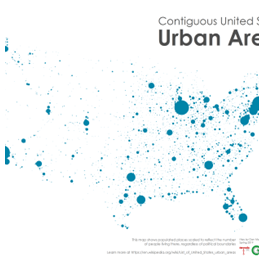
In 2018, 4.2 billion people, 55% of the world’s population, lived in cities. by 2050, the urban population is expected to reach 6.5 billion
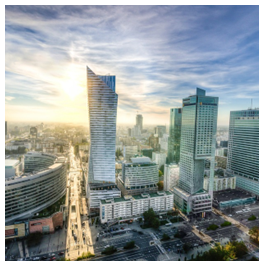
Cities occupy just 3% of the Earth’s land, but account for 60 to 80% of energy consumption and at leaset 70% of carbon emissions.
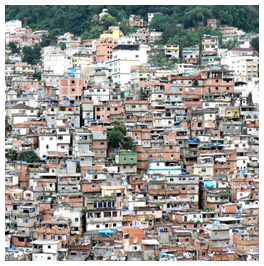
828 mln people are estimated to live in slums and the number is rising.
In 1990, there were 10 cities with 10 mln people or more. By 2014, the number of mega-cities rose to 28 and was expected to reach 33 by 2018. In the future, 9 out of 10 mega-cities will be in the developing world.
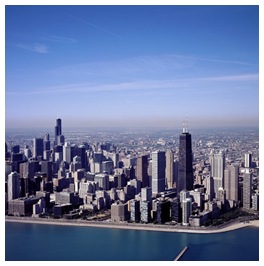
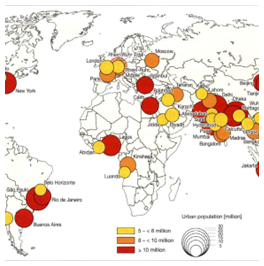
In the comming decades, 90% of urban expansion will be in the developing world.
The economic role of the cities is significant. They generate about 80% of the global GDP.
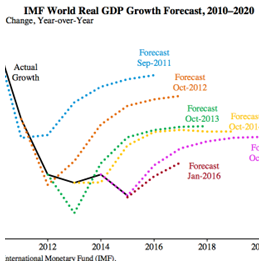
In view of the above, the main initiatives of this goal are:
- Housing affordability.
- Infrastructure investments.
- Sustainable transport.
- Access to public spaces.
- Sustainable buildings.
Based on the discussions in the introductory section, we can move on to a more detailed discussion of Goal 11, which includes a study of its main objectives, related indicators, an analysis of the results achieved within the framework of this goal, and the current factual situation.
SDG 11 Targets and indicators:
It is divided into 7 main and 3 additional targets, which have special evaluation indicators.
| # | Target | Indicator |
|---|---|---|
| 11.1 | By 2030, ensure access for all to adequate, safe and affordable housing and basic services and upgrade slums | 11.1.1 Proportion of urban population living in slums, informal settlements or inadequate housing; |
| 11.2 | By 2030, provide access to safe, affordable, accessible and sustainable transport systems for all, improving road safety, notably by expanding public transport, with special attention to the needs of those in vulnerable situations, women, children, persons with disabilities and older persons | 11.2.1 Proportion of population that has convenient access to public transport, by sex, age and persons with disabilities |
| 11.3 | By 2030, enhance inclusive and sustainable urbanization and capacity for participatory, integrated and sustainable human settlement planning and management in all countries | 11.3.1 Ratio of land consumption rate to population growth rate 11.3.2 Proportion of cities with a direct participation structure of civil society in urban planning and management that operate regularly and democratically |
| 11.4 | 11.4 Strengthen efforts to protect and safeguard the world’s cultural and natural heritage | 11.4.1 Total expenditure (public and private) per capita spent on the preservation, protection and conservation of all cultural and natural heritage, by type of heritage (cultural, natural, mixed and World Heritage Centre designation), level of government (national, regional and local/municipal), type of expenditure (operating expenditure/investment) and type of private funding (donations in kind, private non-profit sector and sponsorship) |
| 11.5 | By 2030, significantly reduce the number of deaths and the number of people affected and substantially decrease the direct economic losses relative to global gross domestic product caused by disasters, including water-related disasters, with a focus on protecting the poor and people in vulnerable situations | 11.5.1 Number of deaths, missing persons and directly affected persons attributed to disasters per 100,000 population 11.5.2 Direct economic loss in relation to global GDP, damage to critical infrastructure and number of disruptions to basic services, attributed to disasters |
| 11.6 | By 2030, reduce the adverse per capita environmental impact of cities, including by paying special attention to air quality and municipal and other waste management | 11.6.1 Proportion of urban solid waste regularly collected and with adequate final discharge out of total urban solid waste generated, by cities 11.6.2 Annual mean levels of fine particulate matter (e.g. PM2.5 and PM10) in cities (population weighted) |
| 11.7 | 11.7 By 2030, provide universal access to safe, inclusive and accessible, green and public spaces, for women and children, older persons and persons with disabilities | 11.7.1 Average share of the built-up area of cities that is open space for public use for all, by sex, age and persons with disabilities 11.7.2 Proportion of persons victim of physical or sexual harassment, by sex, age, disability status and place of occurrence, in the previous 12 months |
| 11.a | Support positive economic, social and environmental links between urban, peri-urban and rural areas by strengthening national and regional development planning | 11.a.1 Proportion of population living in cities that implement urban and regional development plans integrating population projections and resource needs, by size of city |
| 11.b | By 2020, substantially increase the number of cities and human settlements adopting and implementing integrated policies and plans towards inclusion, resource efficiency, mitigation and adaptation to climate change, resilience to disasters, and develop and implement, in line with the Sendai Framework for Disaster Risk Reduction 2015–2030, holistic disaster risk management at all levels | 11.b.1 Number of countries that adopt and implement national disaster risk reduction strategies in line with the Sendai Framework for Disaster Risk Reduction 2015–2030 11.b.2 Proportion of local governments that adopt and implement local disaster risk reduction strategies in line with national disaster risk reduction strategies |
| 11.c | Support least developed countries, including through financial and technical assistance, in building sustainable and resilient buildings utilizing local materials | 11.c.1 Proportion of financial support to the least developed countries that is allocated to the construction and retrofitting of sustainable, resilient and resource efficient buildings utilizing local materials |
Brief historical overview
The SDGs had to overcome a lot of global opposition once they were approved, which greatly hindered their progress. This also holds true with SDG 11. The Covid-19 pandemic, for instance, revealed severe disparity and a catastrophe in cities that required significant work and resources to resolve. In 2016, yearly tracking of the SDGs’ outcomes started. Let’s examine the key findings, data, and statistics for the years 2016–2024. In certain instances, the time leading up to a certain year will also be covered in order to clarify existing procedures.
2016 – 2019 The initial stage of implementation and monitoring of the SDG
(Reports of the Secretary-General 2017; 2018; 2019; 2020)
The inclusion of urbanization issues in the Sustainable Development Goals was driven by several problematic issues. Rapid urbanization brings enormous challenges. Among them: cities are hotspots for air pollution and disease; urgent systemic changes in urban infrastructure and planning are needed to secure and provide health, environmental and social benefits for the billions of urban dwellers globally; people living in slums, informal settlements, or inadequate housing are at an incredible disadvantage and so on.
Several international organizations are interested in similar issues and have developed special programs to address specific problems. For example, UNEP is focused on enabling sustainable urbanization and ending the increased environmental pressure associated with demand for basic services, infrastructure, jobs, affordable housing and more – particularly for the nearly 1 billion urban poor who live in informal settlements. UNEP’s work on circularity and pollution and waste aims to galvanize policy action needed for improved municipal solid waste management and emission reductions.
As mentioned, Goal 11 aims to renew and design cities and other human settlements in a way that promotes social cohesion and personal safety, while stimulating innovation and employment. The following statistical information gives some idea of the current situation at the time of approval of the SDGs:
- In 2014, 880 million people lived in urban slums, or 30% of the global urban population, compared to 39% in 2000.
- In many burgeoning cities around the world, populations were moving outwards, far beyond administrative boundaries.
- In 2014, about half the urban population globally was exposed to air pollution levels at least 2.5 times above the standard of safety set by the World Health Organization.
- As of 2015, 142 countries were developing national-level urban policies; of these, 82 countries were already in the process of implementation and 23 had reached the monitoring and evaluation stage.
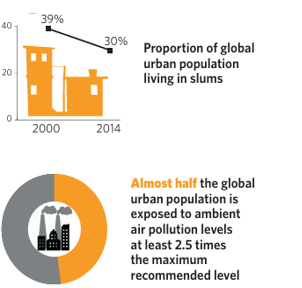
Source: The sustainable development goal 2016, UN: 8-9
SDG11 applies to all societies, both the richest countries and the developing ones. Moreover, as development trends show, the growth of megacities is expected, especially in the developing world. Therefore, if we want to achieve success, all countries must include the Sustainable Development Goals in their national policies and plans.
During the process of monitoring the implementation of Goal 11, several important facts and events occurred, among which we will discuss the following:
Urban population and Urban sprawl
In 2014, 30% of the urban population in developing regions lived in conditions classified as slums. In sub-Saharan Africa, the figure was 55%. This was the highest rate of any region.
To address this challenge and increase resilience, concerted action is needed, as cities continue to attract people seeking greater opportunities and a better life.
Although the percentage of urban dwellers living in such conditions has declined over the past decade, more than 880 million people worldwide still lived in slums in 2014.
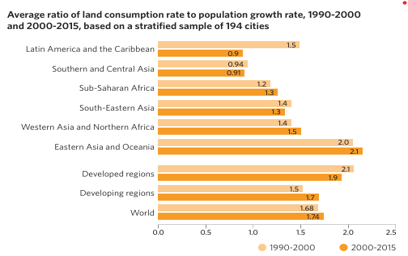
In many burgeoning cities around the world, growing populations are moving outwards, far beyond administrative boundaries. Urban sprawl is found in many regions: Eastern Asia and Oceania had the highest ratio of land consumption to population growth in the world from 2000 to 2015, developed regions were second. Only Latin America and the Caribbean and Southern and Central Asia saw a ratio of less than 1.0, meaning that cities in these regions became more densely populated.
Unplanned urban sprawl is associated with increased per capita emissions of carbon dioxide and hazardous pollution and often drives housing prices up, all of which hamper sustainable development.
Level of air pollution
Air pollution is a major environmental risk to health. Globally, ambient air pollution in both cities and rural areas is estimated to have caused 3.7 million premature deaths in 2012.
Although cities have traditionally been the focus of air pollution reduction policies, air quality in towns and rural areas should also be considered.
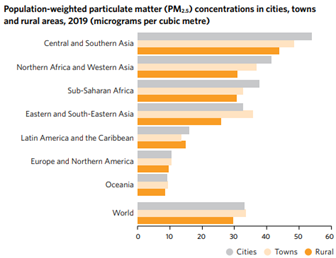
No region had annual average mean concentrations of particulate matter below the maximum level set by WHO of 10 micrograms per cubic metre (μg/m3).
In 2019, towns in Eastern and South-Eastern Asia, a region with a significant proportion of the world’s population, experienced poorer air quality than cities. Tackling air pollution requires a shift in perspective, acknowledging that it is not solely an urban issue.
While urban areas continue to be important, a comprehensive approach that also considers towns and rural areas is crucial to combat air pollution effectively.
Municipal waste collection
Proper management of solid waste – through waste reduction, reuse, recycling and composting, incineration or disposal in landfills – is a basic component of sustainable cities.
Source: The sustainable goals report 2017
When left uncollected or improperly managed, solid waste can end up blocking drains or festering in open dump sites, resulting in a host of unsanitary conditions. As cities and their populations expand, so do their urban waste.
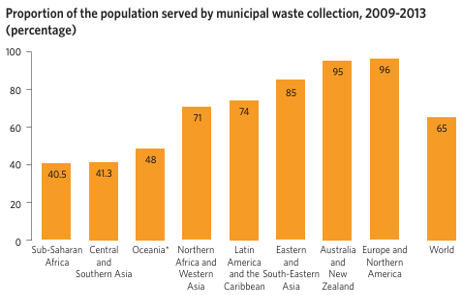
According to data from cities in 101 countries from 2009 to 2013, approximately 65% of the population is served by municipal waste collection. The lowest coverage was found in sub-Saharan Africa and Central and Southern Asia, at around 40%. In many cities in these regions, open dumping remains a common practice.
National-level urban policies
National policies and regional development plans that consider the specific needs and characteristics of urban areas are essential to sustainable development.
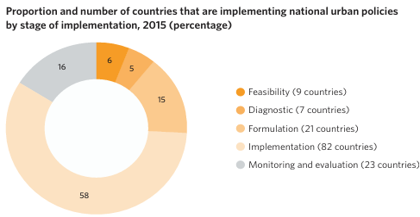
As of 2015, 142 countries were developing national-level urban policies; of these, 82 countries were already in the process of implementation and 23 had reached the monitoring and evaluation stage.
Most of these urban policies can be further aligned with SDGs and can be disaggregated by key themes of the sustainability agenda. They are a way to connect national policy to local action.
The rapid growth of cities and their populations is driving a variety of issues. One of them is urban planning and urban development processes. As it turns out, a large proportion of citizens lack access to open spaces. According to 2019 data from 610 cities in 95 countries, the share of land allocated to streets and open spaces, which are critical for the productivity of cities and the social and health aspects of their residents, was only 16% on average worldwide. The share of the population that could access open public spaces within a 400-meter walk along the street network was 46.7% on average.
Streets accounted for about three times more urban land than open public spaces, such as parks and riverbanks.
At the Sustainable Development Goals Summit in September 2019, heads of state and government reaffirmed their commitment to putting the 2030 Agenda for Sustainable Development into action. Although the world was not on schedule to reach the sustainable development targets by 2030, they noted that tremendous progress had been made in the first four years of its implementation. With all delegates committing to significantly accelerate and scale implementation activities, the Summit adopted a Decade of Action and Achievements for Sustainable Development. The situation has been significantly complicated by the pandemic and the crises, challenges and concerns that have arisen in almost every area.
2020 – 2024 The period of pandemic and post-crisis recovery
(Report of the Secretary-General 2021; 2022; 2023; 2024)
As mentioned above, rapid urbanization leads to an increase in the number of people living in slums, inadequate and overcrowded infrastructure, worsening services and air pollution, and so on.
In this case, the pandemic has made matters worse. More than 1 billion people live in slums around the world, where they face challenges such inadequate housing, insufficient running water at home, shared bathrooms, inadequate or nonexistent waste management systems, crammed public transportation, and restricted access to official medical facilities. Due to city closures, many of these individuals were at high risk of losing their jobs in the unorganized sector. Preparedness and response to outbreaks in slums and informal settlements required emergency plans.
The devastating effects of the COVID-19 epidemic on people’s lives and means of subsistence have further underscored the significance of the Sustainable Development Goals and the necessity of coordinating international efforts to attain them.
The demand for urban transportation
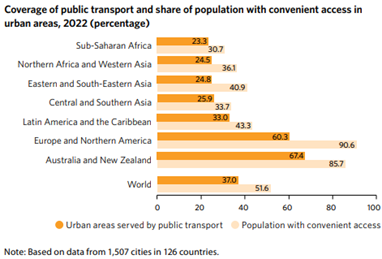
The quality and accessibility of transport infrastructure varies significantly between countries and regions, and even within cities. People in industrialized nations have generally had multiple modes of transportation for a few decades. But this isn’t always accessible in a way that’s fair to everyone or considerate of the environment. The need for people’s and products’ mobility is increasing rapidly each year in emerging nations, where an estimated 1 billion people still lack access to all-weather roads. Data from 2022 reveal that only 51.6% of the global urban population has convenient access to public transport, with considerable regional differences. Countries and cities, particularly in the developing world, still have a long way to go in terms of developing safe, affordable, accessible and sustainable transport systems. There is a pressing need for cities worldwide to integrate motorized transportation systems with walking and cycling through long-term sustainable urban mobility plans, targeted infrastructure investments and policy implementation.
Level of air pollution
The issue of air pollution is not limited to cities; it also affects villages and rural areas. The impacts of climate change have been felt strongly around the world. The COVID-19 pandemic has further delayed the urgently needed transition to a green economy. While the economic slowdown and COVID-19 lockdowns led to a temporary decline in carbon dioxide (CO2) emissions in 2020, global energy-related CO2 emissions rose by 6.0% as demand for coal, oil and gas increased as economies began to recover in 2021.
Slum dwellers
Over the years, the number of people living in slums has been steadily increasing, exceeding 1 billion in 2020. Approximately 85% of the world’s slum dwellers resided in three regions, which had the highest concentration of slum dwellers: : Central and South Asia (359 million), East and Southeast Asia (306 million), and Sub-Saharan Africa (230 million).
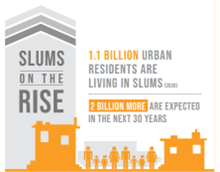
By 2023, more than half of the world’s population lived in urban areas, and an estimated 1.1 billion lived in slums or similar urban areas, a number that is expected to increase by 2 billion over the next 30 years.
Access to open public spaces
Public areas improve social cohesiveness, inclusivity, and urban productivity. But according to data from 1,072 cities in 2020, more than three-quarters of them have less than 20% of their land devoted to streets and open public areas. This number is below the desired 45–50%, of which 30–35% should be roadways and walkways and 15–25% should be open public areas.
Provision and access to open public spaces remains low across regions, impacting negatively on the quality of urban life.
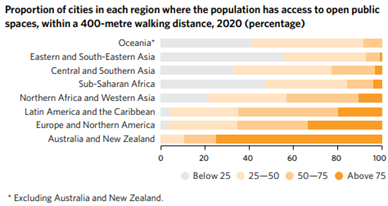
On average, open public spaces accounted for a mere 3.2% of urban land in 2020, about four times less than the share occupied by streets.
However, these figures vary widely across regions, and cities in more developed regions have higher proportions of land dedicated to streets and open spaces than those in developing regions. Furthermore, countries in developed regions also have higher shares of the population with convenient access to open public spaces.
Municipal waste collection
In 2022, the global average rate of solid waste collection in cities was 82%, while the global average rate of solid waste management in controlled facilities was 55%. In sub-Saharan Africa and Oceania, the municipal solid waste collection rate was less than 60%.
This situation posed significant risks, as uncollected waste is a source of plastic pollution, greenhouse gas emissions, and infection incubation.
National-level urban policies
The number of nations with local and national catastrophe risk reduction plans has doubled since 2015, rising from 55 in 2015 to 126 in 2022. Nearly half (74) of the 156 nations that have created national urban strategies as of March 2021 were already in the implementation stage. According to more research, 40% of nations were only starting to create plans, and 12% were keeping an eye on and assessing how well their current plans were working. By the end of 2021, a total of 98 countries reported that local governments were engaged in disaster risk reduction strategies, up from 51 countries in 2015.
One crucial aspect of these strategies is to promote policy coherence and compliance, notably with the SDGs and the Paris Agreement – with 118 countries reporting having some degree of policy coherence. In addition to national efforts, local governments worldwide have also made progress on developing and implementing local disaster risk reduction strategies in line with national strategies.
By the end of 2022, a total of 102 countries reported having local governments with disaster risk reduction strategies. Among these countries, the average proportion of local governments that had local disaster risk reduction strategies was 72%.
To achieve Goal 11, efforts have been focused on implementing policies and practices for inclusive, sustainable and resilient urban development that prioritizes basic services, affordable housing, efficient transport and access to green spaces for all.
2023 – 2024 The short description and important points of the current situation
(Report of the Secretary-General 2023; 2024)
- The execution of Goal 11 has been significantly impacted by the various obstacles that the globe has encountered over the last two years. Among the primary difficulties of this era, the following stand out: Over half the world’s population currently resides in cities, yet urban areas confront myriad complex challenges. Globally, approximately one quarter of the urban population lives in slums.
- The lack of equitable access to public transportation is a significant concern, particularly in LDCs2 , where only 4 in 10 individuals have convenient access.
- While air pollution levels have declined in most regions, they are still significantly higher than the recommended air quality guidelines for public health protection.
- Only 40% of city dwellers can easily reach open public spaces. Between 2000 and 2020, cities sprawled up to 3.7 times faster than they densified, resulting in negative impacts on the natural environment and land use.
- With urbanization on the rise and nearly 70% of the global population projected to reside in cities by 2050, the development of critical infrastructure, affordable housing, efficient transport systems and essential social services is imperative to create resilient and sustainable cities that meet the needs of all.
2 LDC – Less developed countries
To elaborate a bit further:
High rates of unregulated urban sprawl pressure the environment and diminish quality of life.
Urban sprawl is characterized by the unplanned, low-density, uncontrolled expansion of urban areas into previously undeveloped rural or suburban areas. This unregulated growth has negative impacts on the natural environment and land use, contributing to increased air pollution and the loss of open spaces, wildlife habitats and agricultural land.
Globally, from 2000 to 2010, the average annual rate of sprawl reached 5.6% while the annual densification rate lagged at 1.47%. The sprawl rate slightly declined (from 2010) dropping to 3.6% annually. Yet the gap with the densification rate, estimated at 0.95% annually during the same period, remained substantial.
Over 85% of all slum dwellers, in the beginning of the period, were in Eastern and South-eastern Asia (362 million), Central and Southern Asia (334 million) and sub-Saharan Africa (265 million). Projections suggest that sub-Saharan Africa will experience the most substantial proportional increase, with an estimated extra 360 million slum dwellers by 2030 if current trends persist.
Air quality has improved but still falls short in terms of fully protecting public health.
Each year, an estimated 4.2 million people die due to ambient air pollution. Improved air quality monitoring has been instrumental in confirming regional successes and informing policy decisions. Globally, the population-weighted exposure to fine particulate matter (PM2.5) dropped from 39.1 µg/m3 in 2010–2014 to 35.7 µg/m3 in the second decade of the 21st century, a 9% decline. Yet the level remains significantly higher than the recommended air quality guideline of 5 µg/m3 for public health protection.
After 2011, monitoring capacity worldwide grew sixfold, although 92% of this expansion took place in high- and middle-income countries.
Vibrant cities depend on open public spaces, yet too few residents have ready access.
Open public spaces in urban areas foster inclusive and vibrant cities. Yet only 44% of urban residents have an open public space conveniently located within a 400-metre walk, according to latest data from 1,365 cities across 187 countries. This lack of access disproportionately impacts people in the LDCs3, where less than 30% of urban dwellers can conveniently access open public spaces. Conversely, high-income regions such as Australia and New Zealand as well as Europe and Northern America have much greater rates of access, with 60 to 70% of urban inhabitants living near public open spaces.
The data underscore a pervasive global challenge. Without concerted efforts, many urban populations will struggle to access vital amenities, particularly the most vulnerable residents.
3 LDC – Less developed countries
By 2024, public transport was still inaccessible to 40% of city dwellers worldwide
Ensuring equitable access to public transportation helps to boost economies, empower women, and connect people to key health, education and financial services, especially vulnerable urban populations. Yet many cities worldwide lack adequate urban transit infrastructure. Only 6 in 10 urban residents have convenient access to public transit, based on data collected in 2023 from 2,039 cities in 188 countries.
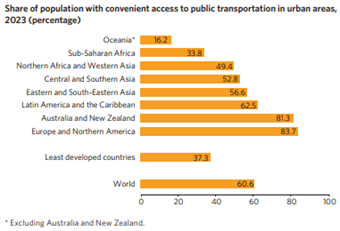
The shortfall is particularly problematic in the LDCs, where less than 4 in 10 urban residents have accessible public transportation options, compared to 8 in 10 in more affluent regions. Accelerated investments are needed to extend public transit services to the most marginalized communities, both in developing regions and impoverished urban neighborhoods in developed countries.
This effort is essential to foster inclusive urban development and improve the livelihoods of the urban poor.
Brief Summary of the Challenges of SDG11
The United Nations has identified sustainable development as the guiding principle of our era, summarized in the five “Ps”: people, planet, prosperity, peace, and partnership.
People signify the commitment to leave no person, no group, no nation, and no region behind.
Planet signifies the challenge of living within the limits of the planet.
Prosperity signifies the commitment to extend the material benefits of modern education and technology to all corners of the world and to all UN Member States.
Peace signifies the vital commitment of all nations in the nuclear age to live together in accordance with the UN Charter and international law, including the commitment to non-interference in the internal affairs of other nations and the commitment to the peaceful resolution of conflicts, guided by international law.
Partnership signifies the commitment of all stakeholders, including governments, civil society, and business organizations, to work together cooperatively, honestly, and ethically to achieve common goals for humanity.
This is closely linked to all goals, including Goal 11, whose targets and indicators reflect the common spirit of the UN member states.
To briefly summarize the chapter, let’s focus on several key aspects, including:
- The opportunities to promote sustainability of the cities are huge. Humanity must undertake a just transition to a low-carbon economy, reduce pollution and energy demand, champion sustainable consumption and production, and increase biodiversity restoration efforts.
- The COVID-19 pandemic exposed deep inequalities and crises facing cities. To respond to future crises, it is crucial to strengthen cities’ preparedness and resilience by focusing on high-quality infrastructure and ensuring universal access to basic services.
- Urbanization is one of the five main drivers of environmental change. Cities impact all parts of the triple planetary crisis of climate change, nature and biodiversity loss, and pollution and waste. Urban populations face immense risks from environmental degradation, including extreme heat and flooding, air and water pollution, infectious diseases and growing inequality.
- People living in slums, informal settlements or inadequate housing are triply disadvantaged: they tend to be excluded – spatially, socially and economically – from the opportunities that other city dwellers enjoy.
- Substandard living conditions and the lack of basic services hit children and youth the hardest, diminishing their prospects for good health and education, with potentially lifelong consequences for their cognitive and social development. Slums are most pervasive in sub-Saharan Africa.
- This emphasizes the urgent need for a comprehensive approach to addressing the housing crisis, including through diverse housing options, while achieving equitable access to public transportation and essential services.
- Based on current national commitments, global emissions are set to increase by almost 14% this decade, potentially leading to a climate catastrophe unless governments, the private sector and civil society work together to take immediate action.
- Sustainable urban development calls for mitigating the adverse impacts of urban sprawl and achieving a balanced approach to urban growth.
Finally, we would like to note that the events of the last decade have significantly delayed the implementation of the Sustainable Development Goals agenda. However, the results achieved in this regard suggest that the SDGs should remain at the core of global cooperation, at least, until 2050.
Literature
International Institute for Sustainable Development IIISD), n.d., Sustainable Development, viewed 15.04.2025, <https://www.iisd.org/mission-and-goals/sustainable-development>.
United Nations, 2016. Report of the Secretary-General, Progress towards the Sustainable Development Goals 2016, viewed 25.03.2025, <https://digitallibrary.un.org/record/833184?v=pdf>.
United Nations, 2017. Report of the Secretary-General, Progress towards the Sustainable Development Goals 2017, viewed 05.04.2025, <https://digitallibrary.un.org/record/1288024/?ln=ru&v=pdf>.
United Nations, 2017. Resolution adopted by the General Assembly on 6 July 2017, viewed 30.06.2025, <https://docs.un.org/en/A/RES/71/313>.
United Nations, 2018. Progress towards the Sustainable Development Goals: report of the Secretary General, viewed 20.04.2025, <https://digitallibrary.un.org/record/1627573?v=pdf>.
United Nations, 2018. Progress towards the Sustainable Development Goals: report of the Secretary General, viewed 20.04.2025, <https://digitallibrary.un.org/record/1627573?v=pdf>.
United Nations, 2018. Report of the Secretary-General, Progress towards the Sustainable Development Goals 2018, viewed 05.04.2025, <https://digitallibrary.un.org/record/1627573?v=pdf>.
United Nations, 2019. Report of the Secretary-General, Progress towards the Sustainable Development Goals 2019, viewed 10.04.2025, <https://digitallibrary.un.org/record/3810131?v=pdf>.
United Nations, 2020. Report of the Secretary-General, Progress towards the Sustainable Development Goals 2020, viewed 10.04.2025, <https://digitallibrary.un.org/record/3865828?v=pdf>.
United Nations, 2021. Report of the Secretary-General, Progress towards the Sustainable Development Goals 2021, viewed 11.04.2025, <https://digitallibrary.un.org/record/3930067?v=pdf>.
United Nations, 2022. Report of the Secretary-General, Progress towards the Sustainable Development Goals 2022, viewed 11.04.2025, <https://digitallibrary.un.org/record/3977147?v=pdf>.
United Nations, 2023. The Sustainable Development Goals Report 2023, viewed 20.04.2025, <https://sdgs.un.org/documents/sustainable-development-goals-report-2023-53220>.
United Nations, 2024. The Sustainable Development Goals Report 2024, viewed 22.04.2025, <https://files.unsdsn.org/sustainable-development-report-2024.pdf>.
United Nations, n.d. SDG 11. Make cities and human settlements, inclusive, sale, resilient and sustainable, viewed 22.04.2025, <https://sdgs.un.org/goals/goal11>.
United Nations, Report of the World Commission on Environment and Development: Our Common Future, viewed 04.04.2025, <https://sustainabledevelopment.un.org/content/documents/5987our-common-future.pdf>.
Videos
SDG 11: sustainable cities and communities. Introduction
Goal 11: sustainable cities and communities. The cooperation between cities
Goal 11: sustainable cities and communities. The best practices.
Rusudan Beriashvili
Take a quiz
Test your knowledge on this topic.
Take this short quiz and see if you can score 100%.